

Fall Property Maintenance Checklist: Preparing Your Commercial Property for Winter


As weather patterns begin to change and temperatures dip away from scorching heat and below freezing, preparing your commercial property for the challenges of wintry conditions can help prevent costly repairs, unexpected disruptions, and safety concerns. A comprehensive fall property maintenance checklist provides commercial property owners and our property management team with a clear guideline on how to address and prevent seasonal issues before they become winter emergencies.
At Garrison Group, proactive planning is an important part of our commercial property management strategy. We provide end-to-end property management solutions, ensuring our customers have all the support they need regardless of the season. Our services include:
HVAC and essential systems inspections
Exterior maintenance
Snow removal
And much more
The completion of these tasks every fall can help to ensure your commercial property remains safe, functional, and prepared for every challenge the shifting seasons bring.
Follow Our Commercial Property Management Services Checklist
Keeping up with routine seasonal maintenance is easier to manage when you have a clear plan. That is why our property management team utilizes this simple and comprehensive commercial building maintenance services checklist designed to address all key systems within a building and ensure your property is ready for winter and running smoothly.
Schedule a Fall HVAC Inspection

Your HVAC system will work harder as temperatures drop, making fall the ideal season for conducting a routine inspection and seasonal maintenance. An HVAC inspection can identify the following issues:
Worn components
Clogged filters
Airflow issues
And addressing these issues preemptively can help to prevent catastrophic system failure. That’s why we strongly recommend that all of our property management clients include the inspection of heating equipment, thermostats, ductwork, ventilation, and other critical components in their seasonal property maintenance routine.
Inspect the Roof and Clean Gutters

Your property's roof and drainage systems need to be ready to handle winter precipitation. A roof inspection will help to identify the following issues:
Damaged membranes
Deteriorated flashing
Loose materials
Areas where water may collect
Gutters and downspouts should also be cleared of leaves and debris so water can drain properly. Blocked drainage can contribute to serious issues such as leaks, ice buildup, and water damage when temperatures fluctuate.
Including roof and gutter inspections in your commercial property maintenance plan can help property owners and their property management team identify problems before winter weather makes repairs more difficult and time sensitive.
Repair Parking Lots and Pavement

Fall is an excellent time to evaluate the condition of high-traffic areas on your property, such as parking lots, driveways, sidewalks, and other paved surfaces. Issues to keep an eye out for include:
Severe cracks in the pavement
Uneven areas
Drainage problems
Potholes
Damaged curbs
Any other issues that could become worse during freeze-thaw cycles
Identifying these issues early gives property owners the opportunity to address them before they become a serious safety issue for their tenants, employees, customers, or visitors. It also gives our property management team time to schedule repairs before the winter season gets into full swing.
Check Exterior Lighting and Safety Features
Shorter days mean your property's exterior lighting will be used more frequently. Walk the property after dark and check parking lot lights, entry lighting, security lighting, signage, and other illuminated areas.
Replace burned-out bulbs and address damaged fixtures or wiring. It is also a good time to inspect handrails, walkways, entrances, and other areas where snow and ice could create hazards. These simple steps can contribute to a safer commercial property throughout the winter.
Prevent Frozen Pipes in Commercial Buildings

While freezing temperatures can be responsible for a variety of issues within a building, none are more serious than frozen or burst pipes. To prevent the pipes within your commercial building from freezing this winter, we recommend inspecting the following areas:
Insulation
The building’s complete plumbing system
Utility rooms
Exterior faucets
Any and all areas that are exposed or poorly insulated
Taking preventative measures before winter can help reduce the risk of burst pipes, water damage, and business interruptions.
Prepare Your Landscaping for Winter
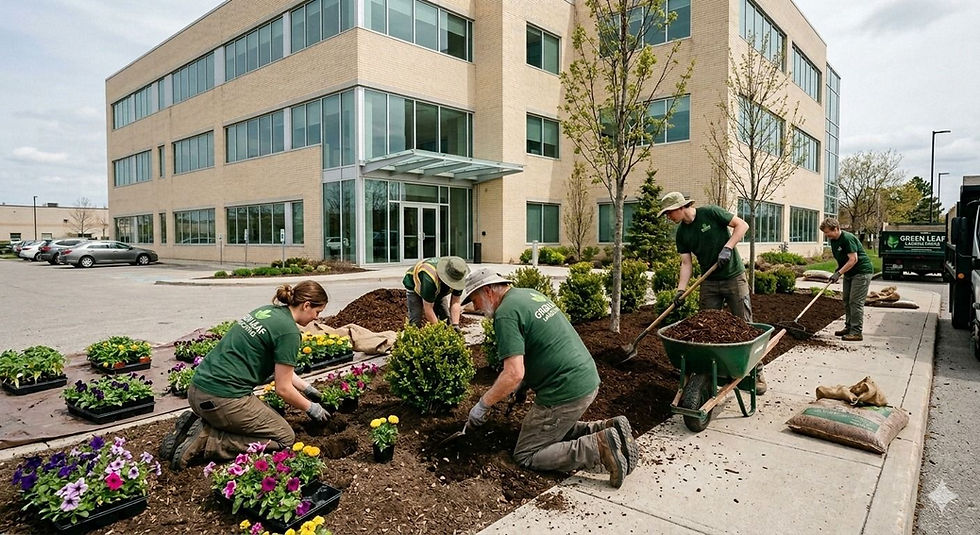
Fall landscaping maintenance involves more than keeping the property looking clean. Remove leaves and debris from lawns, walkways, drainage areas, and other parts of the property. Trees should also be evaluated for dead or damaged branches that could become hazardous during winter storms.
Completing seasonal landscaping tasks, such as regular fall maintenance, can help protect the property during the winter, while also making spring landscaping and routine maintenance simpler.
Plan for Snow and Ice Removal

Winter weather can shift quickly from a light frost to a winter storm, so it’s essential that property owners have an effective snow and ice removal plan in place well before the first winter storm hits. Coordinate with our property management team to discuss service expectations, our average response times, and proactive treatment options.
Our snow and ice removal services ensure that all high-traffic areas—sidewalks, entrances, parking lots—are included in the plan. Having a clear process in place allows property managers to respond quickly when snow and ice create hazardous conditions.
Build A Seasonal Maintenance Budget
It can be difficult for some property owners and managers to determine what kind of budget they need for regular seasonal property maintenance. To help simplify this process, we recommend that the following areas be considered when you’re structuring your budget:
The size of the property
The current condition of the building
Average weather conditions
Review upcoming maintenance and repair needs
Planning ahead can make unexpected expenses easier to manage while helping property owners prioritize projects. A well-maintained budget is an important component of effective commercial property management services.
Why Proactive Property Management Matters
Actively looking after a commercial property involves much more than simply ticking boxes off a yearly property maintenance list. By consistently addressing seasonal and property-specific maintenance needs, property owners can reduce the likelihood of winter disruptions and make it easier to manage their properties throughout the season. Regular commercial property management also provides a structured approach to maintenance, vendor coordination, budgeting, and long-term property care.
Get Help With Your Commercial Property Maintenance Needs By Partnering With Garrison Group

A seasonal maintenance plan can help your commercial property enter winter prepared for changing weather and increased maintenance demands. From HVAC inspections and plumbing checks to exterior maintenance and vendor coordination, taking action before winter can protect your property and your investment.
Garrison Group provides commercial property management services designed to help property owners stay ahead of maintenance needs and keep their properties operating efficiently. Contact Garrison Group to discuss your property's maintenance needs and develop a proactive plan for the season ahead.


Comments